Erik Simmons · 8 September 2026
Community Apps Turn Leafwood Foraging into Real-Time Biodiversity Tracking Networks
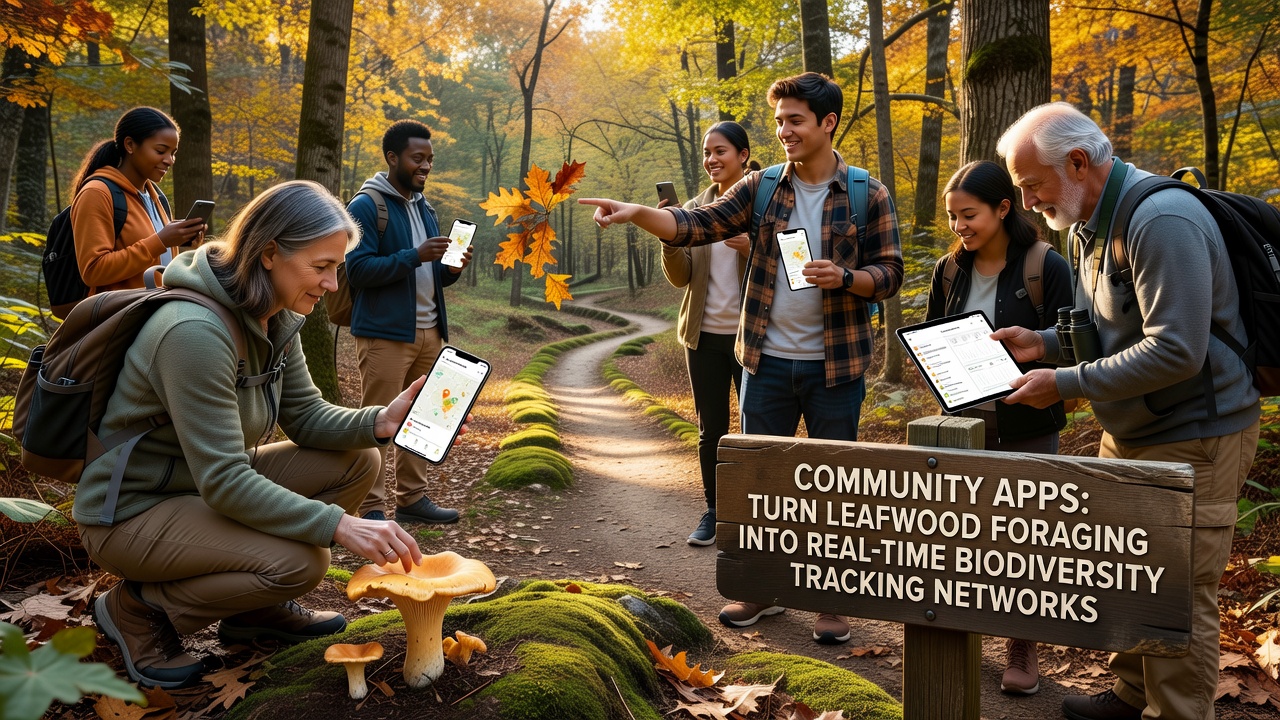
Leafwood foraging has long served as a traditional practice across various regions, yet recent developments show how community-driven applications convert these activities into structured biodiversity monitoring systems. Observers note that participants record species observations, habitat conditions, and growth patterns while collecting leafwood, and the resulting data feeds directly into centralized tracking networks. Research indicates that such integration allows for continuous updates on forest health metrics, including population densities of associated flora and fauna.
App Features That Support Data Collection
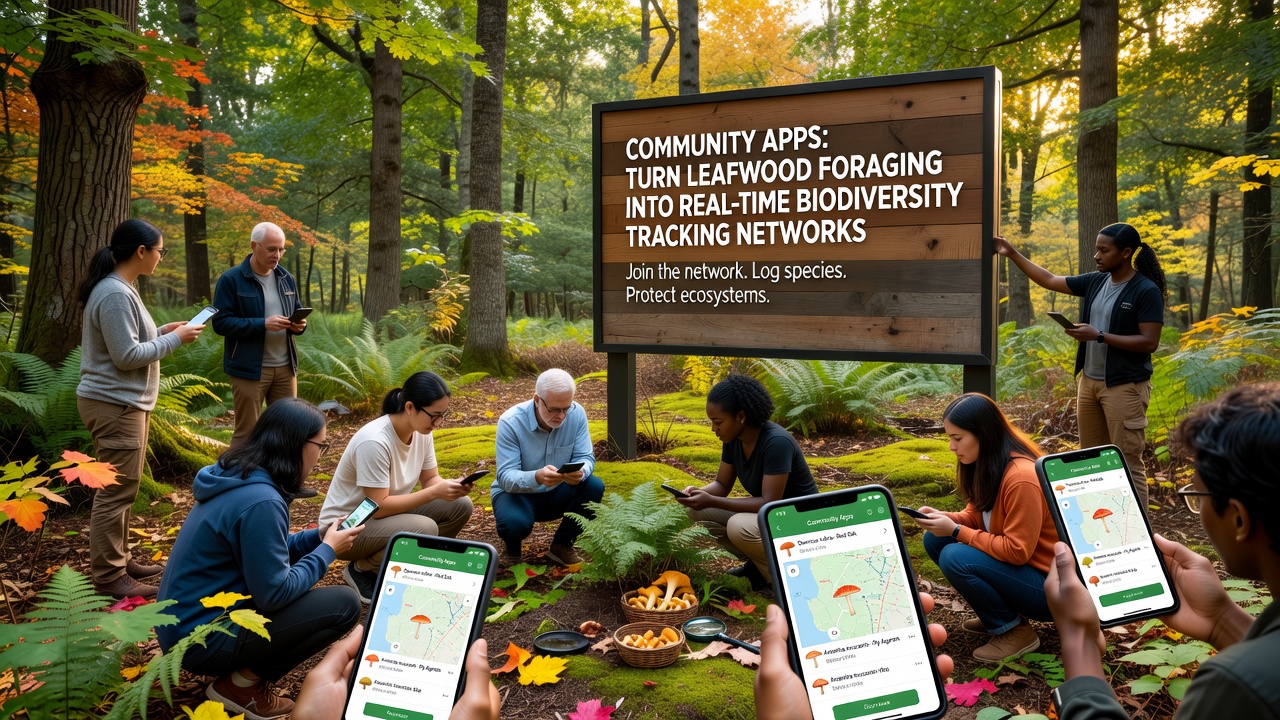
Applications designed for this purpose include location tagging, photo uploads, and standardized observation forms that users complete in the field. Data shows these tools synchronize with existing biodiversity databases, which enables real-time aggregation across multiple sites. Experts have observed that features such as species identification aids and seasonal trend visualizations help foragers contribute accurate entries without specialized training. In September 2026 reports from several midwestern networks revealed increased participation rates following updates that added offline capabilities for remote areas.
Users often log details like soil moisture levels, canopy coverage, and signs of invasive species alongside their leafwood finds. This approach creates layered datasets that researchers access for broader ecological analyses. Studies found that the combination of voluntary contributions and automated validation algorithms improves data reliability over time, while users receive feedback on how their inputs align with regional patterns.
Network Expansion and Regional Coverage
Community apps have expanded coverage from initial pilot areas in the Pacific Northwest to include eastern hardwood regions and parts of the southern United States. Figures reveal that by mid-2026 these networks encompassed over 1,200 active foraging routes with consistent data streams. Participants coordinate through shared maps that highlight high-activity zones and emerging biodiversity hotspots. And the structure allows local groups to compare findings with those from distant locations, which strengthens cross-regional insights into leafwood distribution and associated ecosystem responses.
Integration with satellite imagery and ground sensors further refines the information collected through apps. Observers note that this hybrid model helps identify changes in leafwood stands that might otherwise go undetected during routine foraging trips. Data indicates participation from educational institutions has grown, with students using the platforms for field studies that contribute to long-term monitoring projects.
Collaboration Between Foragers and Scientists
Scientists at various research institutions now incorporate app-generated data into peer-reviewed studies on forest dynamics. According to records maintained by the Global Biodiversity Information Facility, contributions from community foraging networks have added thousands of verified leafwood-related records since 2024. This collaboration reduces gaps in traditional survey methods, which often rely on limited field visits by professional teams. Those involved report that foragers gain access to summaries and alerts about local environmental shifts, which in turn informs safer and more informed collection practices.
Training modules embedded in the apps explain how to document observations consistently, and community forums facilitate knowledge exchange among users in different areas. Evidence suggests these elements foster sustained engagement while maintaining scientific standards for the collected information. Regional coordinators review submissions periodically to flag anomalies that warrant further investigation by specialists.
Future Developments in Tracking Capabilities
Upcoming versions of the apps plan to incorporate machine learning models that predict biodiversity trends based on accumulated foraging data. Researchers have noted that such tools could assist in early detection of stressors affecting leafwood populations across wider landscapes. Partnerships with government agencies, including those tracking environmental indicators in Canada and Australia, aim to standardize data formats for international comparisons. Data from these efforts shows potential for scaling the networks beyond current boundaries while preserving the community-led nature of the contributions.
Conclusion
Community apps have established pathways that link everyday leafwood foraging with expansive biodiversity tracking systems. The resulting networks deliver ongoing streams of field observations that support both local management decisions and larger-scale research initiatives. Continued refinement of these tools promises to enhance the precision and reach of environmental monitoring efforts through sustained participant involvement.