Erik Schmidt · 22 September 2026
Drought Resilience in Leafwood Depends on Hidden Fungal Alliances
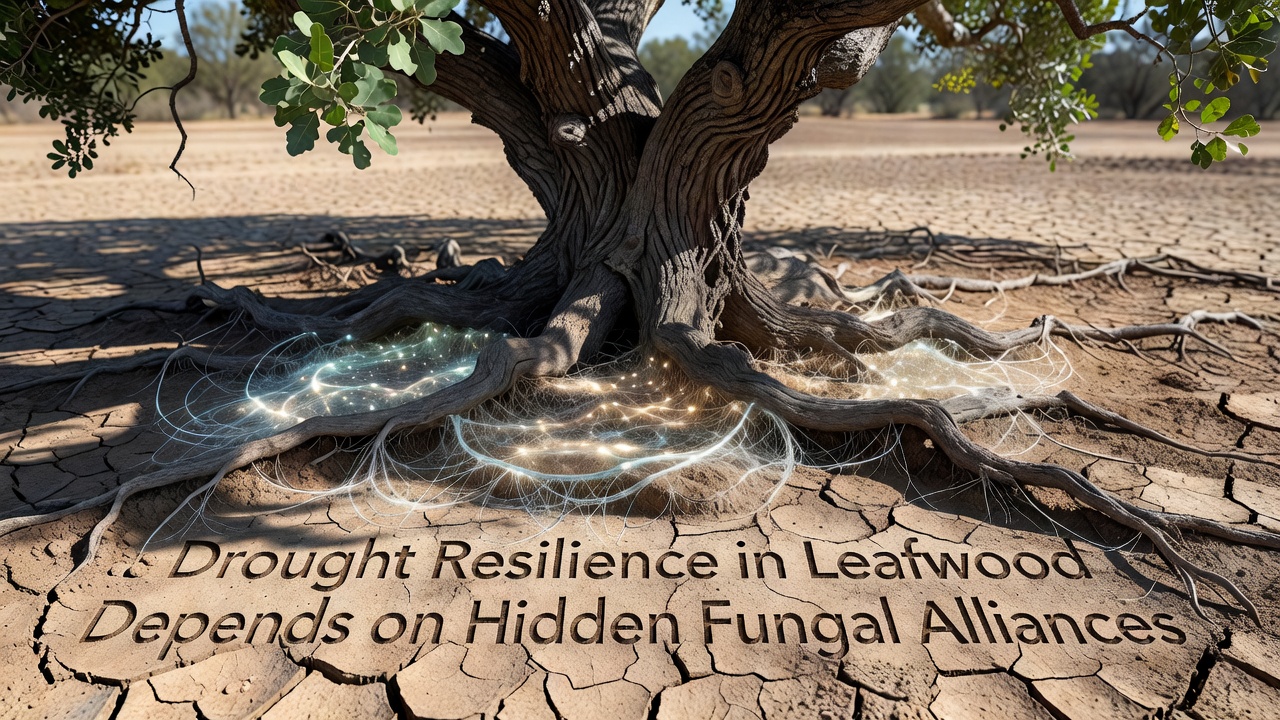
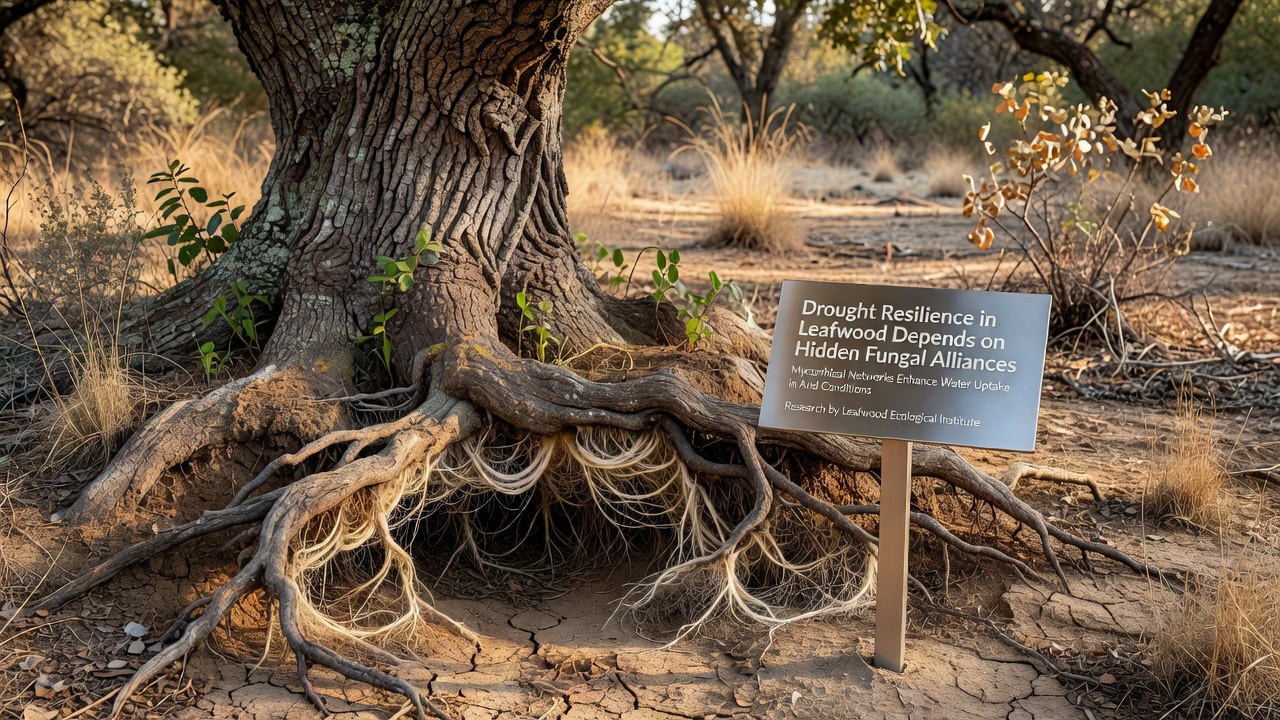
Leafwood forests demonstrate notable drought resistance through symbiotic relationships with mycorrhizal fungi that extend below the surface and connect root systems across wide areas. Researchers have documented how these hidden alliances enable trees to access water and nutrients when rainfall drops sharply and soil moisture declines. Studies in multiple regions show that fungal hyphae act as extensions of the root network and allow leafwood to draw resources from deeper soil layers while exchanging carbon compounds with the fungi in return.
Observations from field sites reveal that leafwood stands with dense fungal associations maintain higher survival rates during prolonged dry periods compared to isolated trees. Data collected over several seasons indicates that these partnerships form early in the trees' growth cycle and strengthen as the forest matures. In areas where soil disturbance has reduced fungal presence, leafwood exhibits slower recovery after drought events and shows increased vulnerability to secondary stressors such as pests.
Mechanisms Behind the Fungal Partnerships
Fungal networks transport water through microscopic threads that penetrate soil pores inaccessible to roots alone and this process helps leafwood sustain photosynthesis even when surface conditions become arid. At the same time the fungi receive carbohydrates produced by the trees which supports continued fungal growth and network expansion. Research indicates that certain fungal species associated with leafwood produce enzymes capable of breaking down organic matter and releasing bound nutrients during water scarcity.
Scientists tracking isotope movement through these networks have confirmed direct transfer of water and minerals between connected trees. One study revealed that leafwood individuals linked to robust fungal communities displayed more stable leaf water potentials across drought cycles. The connections operate bidirectionally so that resources move toward trees experiencing greater stress and this dynamic supports overall stand resilience.
Evidence from Recent Field Research
Monitoring programs established in western North American forests have recorded patterns of fungal colonization that correlate with leafwood drought tolerance. Measurements taken in September 2026 at long-term plots showed elevated levels of mycorrhizal activity preceding seasonal rainfall and this timing appears to prime the system for upcoming dry months. Comparable work conducted by Natural Resources Canada has documented similar associations in boreal regions where leafwood and related species face increasing aridity.
Additional data from European forest monitoring networks indicate that leafwood stands retaining intact fungal networks recover faster once precipitation returns. Soil core samples analyzed in these studies consistently contain higher fungal biomass in resilient groves and this biomass declines sharply after mechanical soil disruption or chemical treatments that target fungi. The findings align with observations from Australian woodland research where analogous fungal-tree relationships buffer against extended dry spells.
Impacts on Forest Management Practices
Forest managers have begun incorporating fungal preservation into restoration protocols because evidence shows that protecting underground networks improves long-term leafwood establishment. Planting methods that minimize soil compaction and avoid broad-spectrum fungicides allow existing mycelium to persist and colonize new seedlings. In regions where reforestation occurs after disturbance, inoculating young leafwood with compatible fungal strains has increased survival rates in subsequent dry years.
Monitoring programs now include assessments of fungal diversity alongside traditional tree health metrics. Remote sensing combined with ground surveys helps identify areas where fungal alliances appear degraded and targeted interventions follow. These approaches recognize that visible tree condition often reflects invisible belowground conditions and that addressing the fungal component yields measurable benefits during drought.
Broader Ecological Context
Leafwood fungal alliances interact with other forest organisms and create conditions that support understory plants and soil invertebrates. The networks also influence carbon sequestration because sustained tree growth during drought maintains photosynthetic activity and belowground carbon allocation. Changes in climate patterns that alter fungal community composition therefore carry implications for both drought resistance and carbon dynamics across leafwood habitats.
Long-term records from multiple continents demonstrate that forests with higher mycorrhizal connectivity experience lower rates of tree mortality during extreme events. These patterns hold across varying soil types and elevations and they underscore the consistent role of fungal partnerships. Continued observation will clarify how shifting temperature and precipitation regimes affect the stability of these alliances over decades.
Conclusion
Research across regions confirms that drought resilience in leafwood hinges on functional fungal networks that operate beneath the forest floor. These alliances facilitate resource sharing and extend access to water and nutrients during periods of scarcity. Management strategies that account for fungal preservation produce stronger outcomes for leafwood stands facing increasing aridity. Ongoing studies continue to map the extent and function of these partnerships while providing data that informs conservation and restoration efforts.